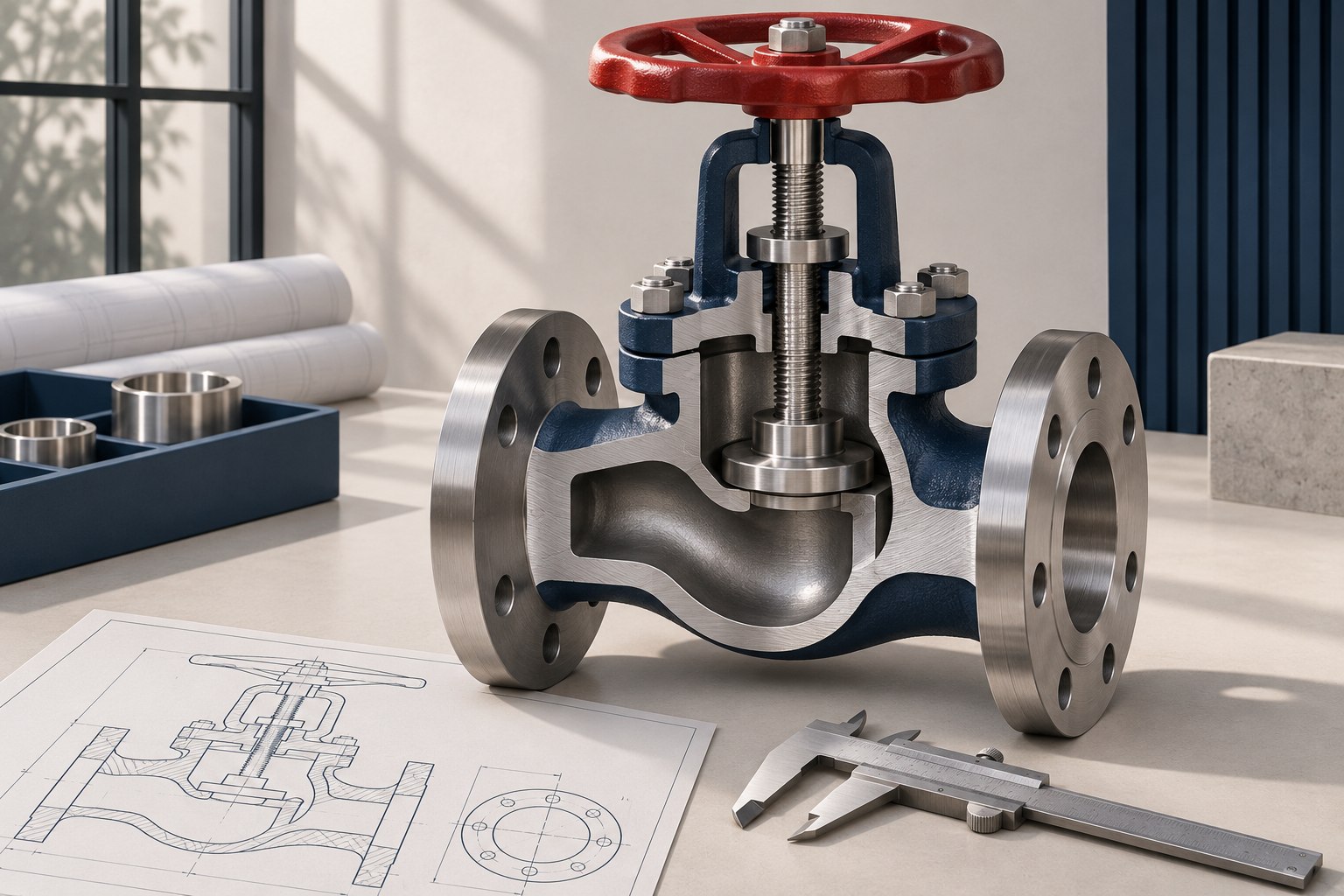
Should we use a gate valve or a globe valve to throttle steam and isolate the line?
For regular throttling, start with a globe valve fitted with a plug and seat designed to regulate steam flow. A conventional gate valve is intended for fully open or fully closed service. Steam passing a partly open gate at high velocity can erode the sealing surfaces. Give the supplier the steam flow range and the inlet and outlet pressures. If the line also requires maintenance isolation, check the plant isolation procedure before assigning both duties to one valve.
How do ball and butterfly valves compare on a large cooling-water line?
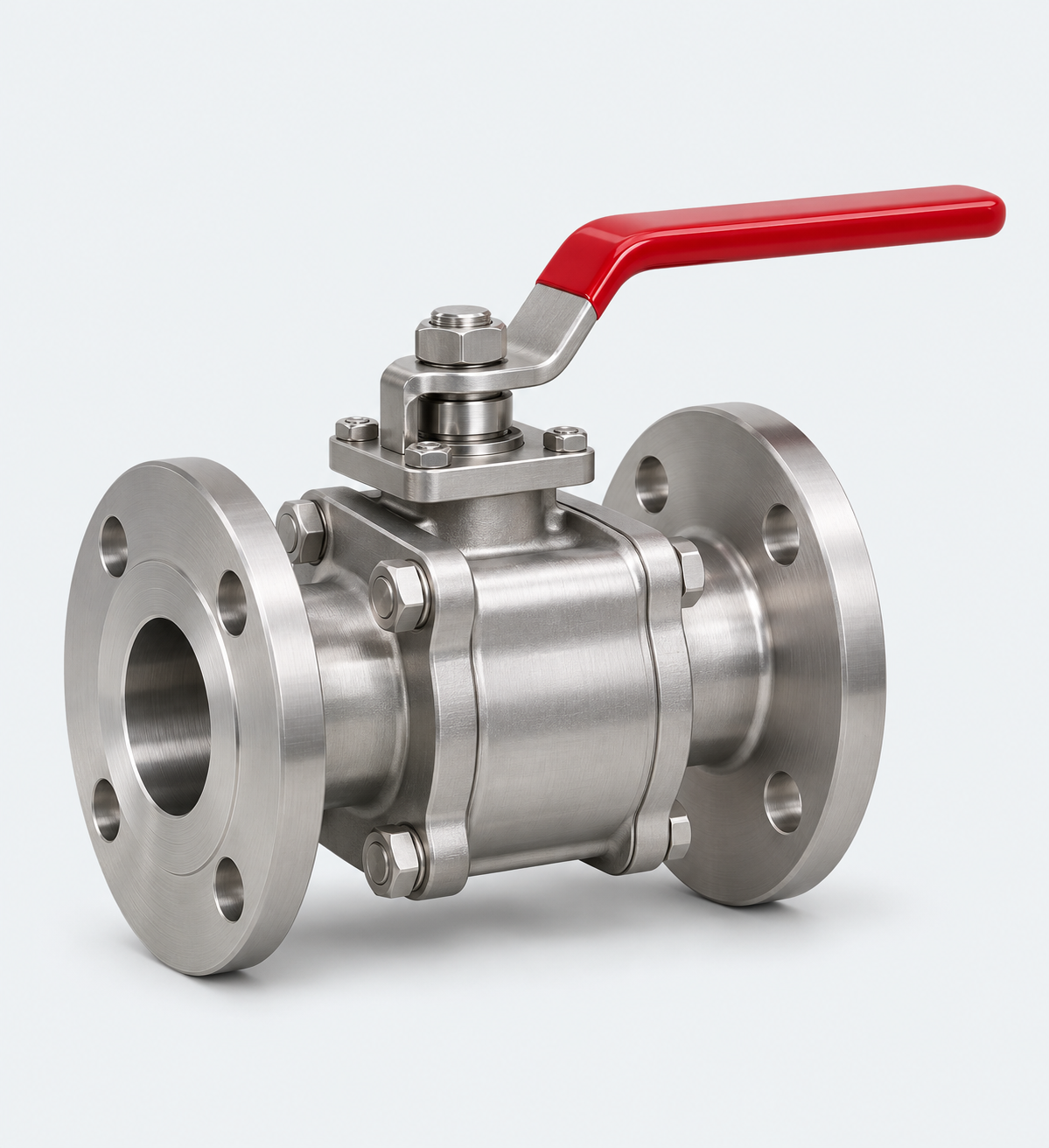
A full-bore ball valve gives water a relatively unobstructed path when open. A butterfly valve leaves its disc in the stream, but its short body and lower weight can simplify installation in a large line. Ask for the pressure drop of each proposed valve at your normal flow, plus the shutoff rating at maximum differential pressure. Compare the installed prices of the complete assemblies, including operators and any changes to supports or pipework.
How do I check a Class 150 valve at our maximum design temperature?
Identify the body material grade and the standard used to rate the valve. For a valve within the scope of ASME B16.34, use the pressure–temperature table for that material group and class at the specified design temperature. Then check the manufacturer's limits for the assembled valve, including the seats and seals. Verify that the assembled valve’s allowable pressure covers the design pressure at that temperature. Check the seat’s shutoff differential-pressure limit separately.
Will a replacement valve fit without changing our existing pipework?
Compare the old installation with the proposed dimensioned drawing. For a flanged valve, check the face-to-face length, flange standard and size, facing, bolt circle, hole count, and hole diameter. For a butterfly valve, also check that the disc can rotate freely inside the adjacent pipe or fittings. Include clearance above the valve for the handwheel or actuator and for removal during maintenance. A nameplate photo and a verified face-to-face measurement make a useful starting point.
How do we choose body, trim, and seat materials for our process fluid?
List the chemical constituents, their concentrations, the temperature range, and any solids in the stream. Include cleaning or flushing fluids if they contact the valve. For example, a valve carrying cool process water may also see a hot chemical wash that limits the choice of seat or seal. Ask for the wetted materials list and check each item against both duties. Where the fluid composition varies, identify the most aggressive credible mixture for review.
When should we choose a metal-seated ball valve over a soft-seated one?
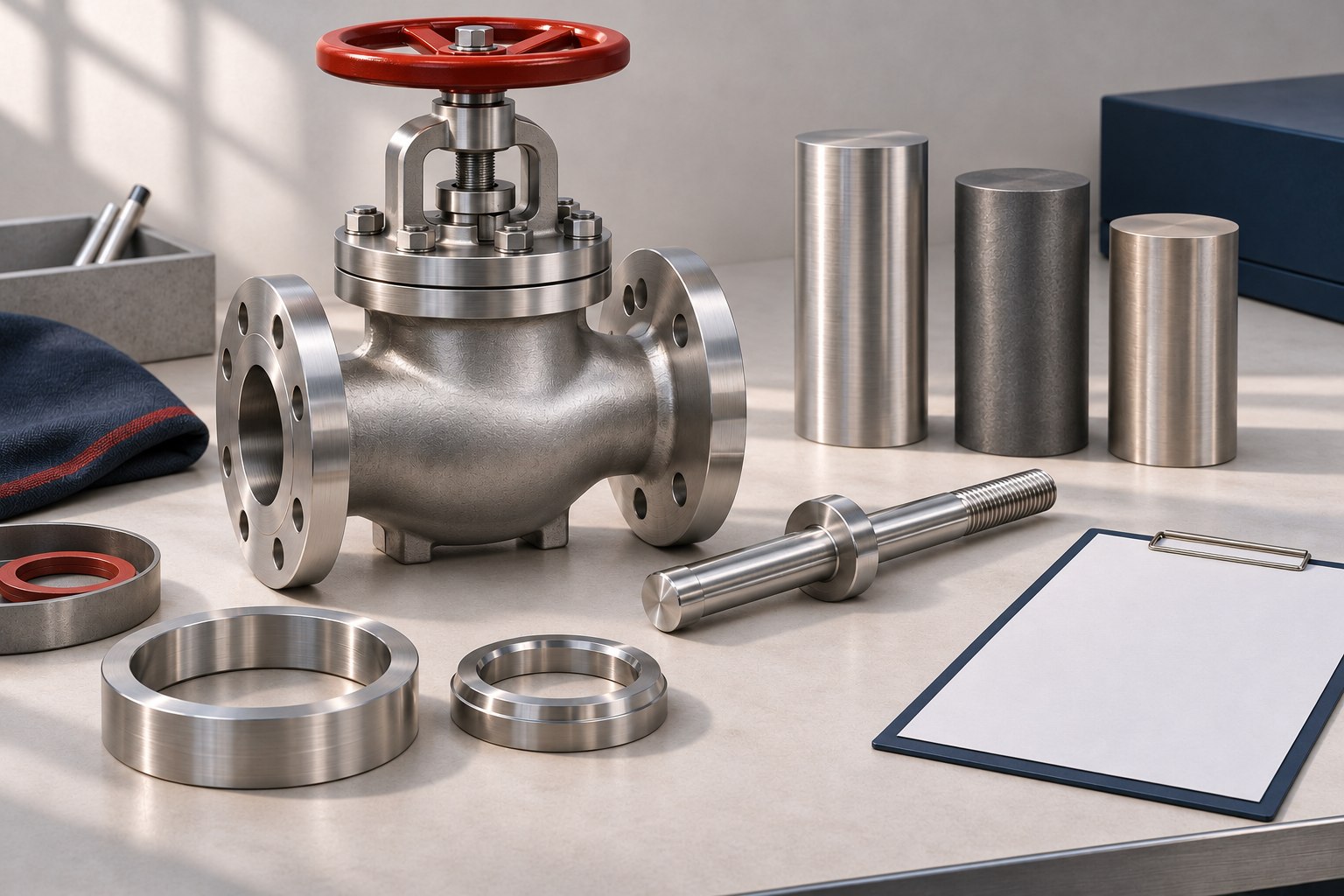
A soft seat can provide tight shutoff in clean service when the polymer is compatible with the fluid, pressure, and temperature. Consider a metal seat when hot fluid, abrasive particles, or repeated cycling would damage a soft seat. Ask how the proposed ball and seat surfaces resist wear and which leakage criterion the complete valve can meet. For intermittent duty, include startup and cleaning temperatures in the comparison.
Will the valve seal in both directions at our maximum differential pressure?
Bidirectional shutoff depends on the seat design and the pressure applied from each side. Give the supplier both cases, including any reverse pressure during a pump stop or a line changeover. Request the permitted shutoff differential pressure and the seat leakage acceptance criterion for each direction. Check the approved drawing and installation markings as well. Some designs have a preferred direction even when the supplier rates them for reverse service.
Sources and further reading
Spirax Sarco · Isolation valve selection and flow resistance
ASME B16.34 · Valve pressure–temperature ratings and materials
ASME B16.10 · Scope of face-to-face and end-to-end dimensions
Valmet · Neles ball valve seat arrangements and flow direction