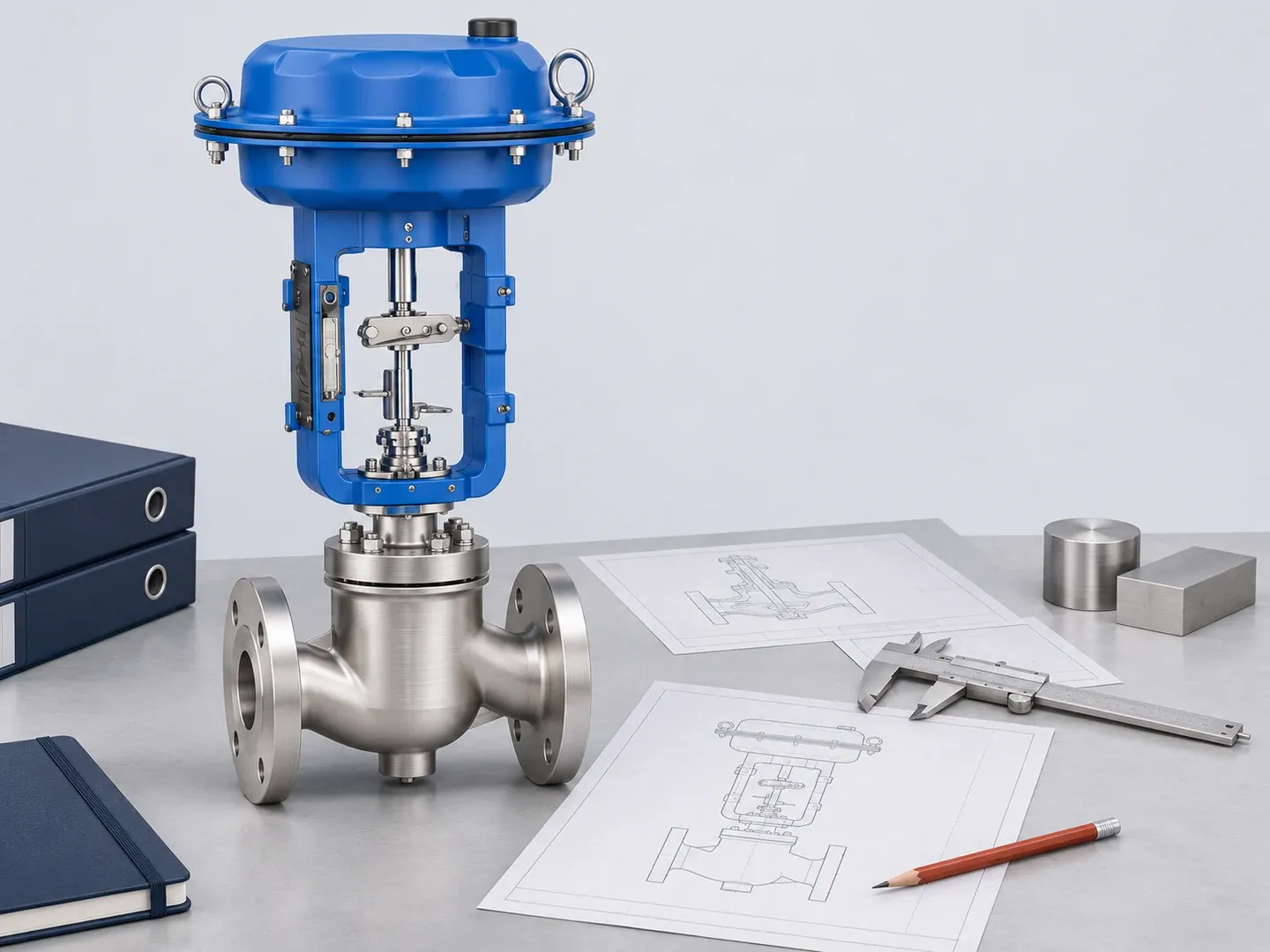
What information do you need to quote a valve if we don’t have a complete datasheet?
Start with the valve’s duty, the fluid, and the operating and design pressures and temperatures. Add pipe size, end connections, quantity, and the date the valve must be on site. For a replacement, include a legible nameplate photo and a dimensioned drawing if available. Identify any values you still need to confirm. Ask the supplier to state which assumptions underpin a budget price and what information is needed for a firm quotation.
Which valves do you manufacture in-house, and can we arrange a factory audit?
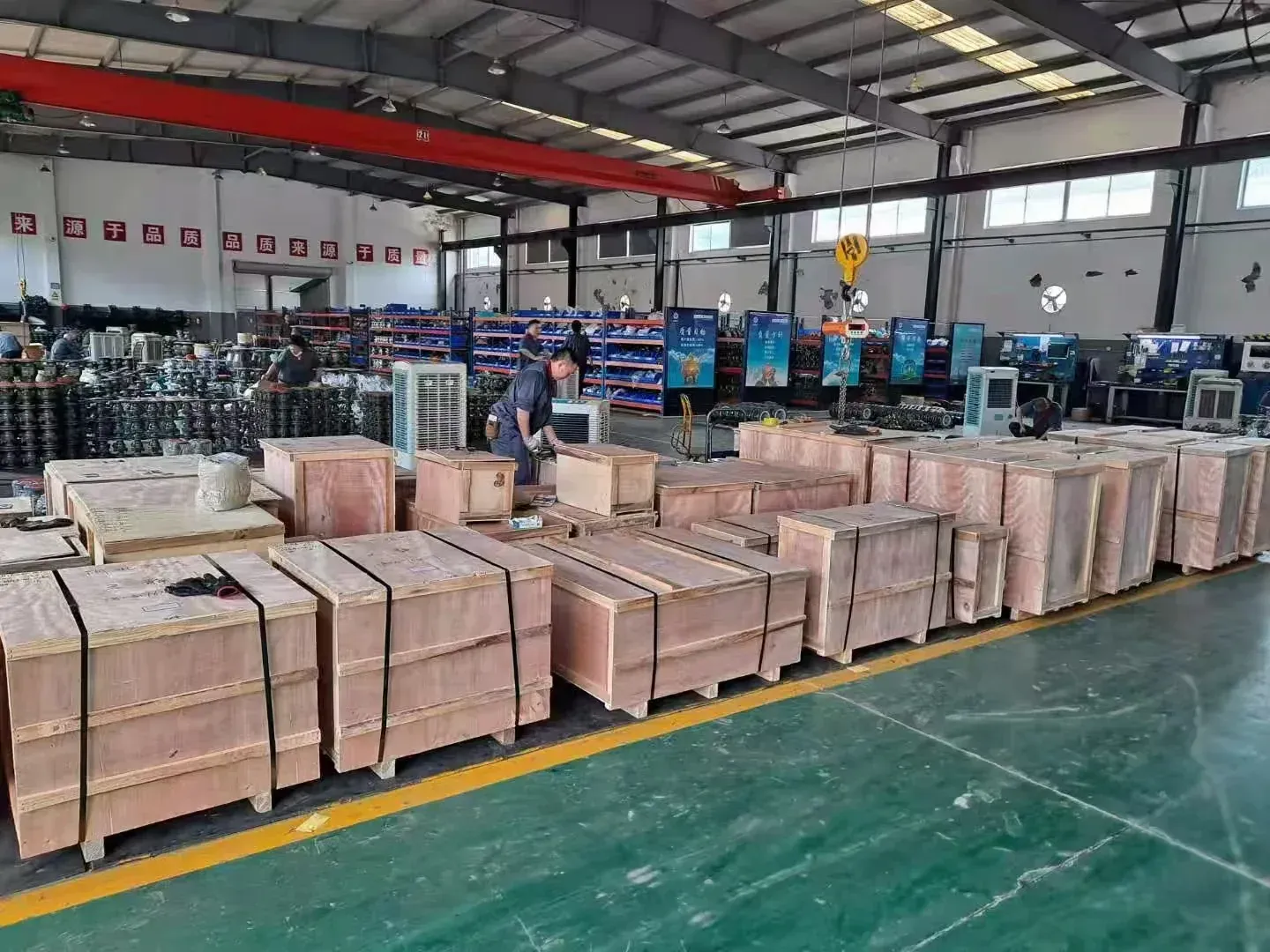
Ask for the proposed manufacturing site and the operations it performs for the valve you intend to buy. Casting, machining, assembly, and testing can take place at different facilities. Agree on the audit scope and date with the supplier. During the visit, ask to follow one comparable valve from its incoming material record through assembly to its final test report. This shows how the factory controls work across those steps.
Can you quote each valve tag separately and flag any deviations from our specification?
Send an editable valve list with a tag, quantity, and datasheet revision on each line. Ask bidders to return it with the offered model, construction, unit price, and any exceptions against that tag. For example, a proposed change from a metal seat to a soft seat belongs on the affected line with its service limitations. Have the responsible engineer accept or reject each exception before the order is released.
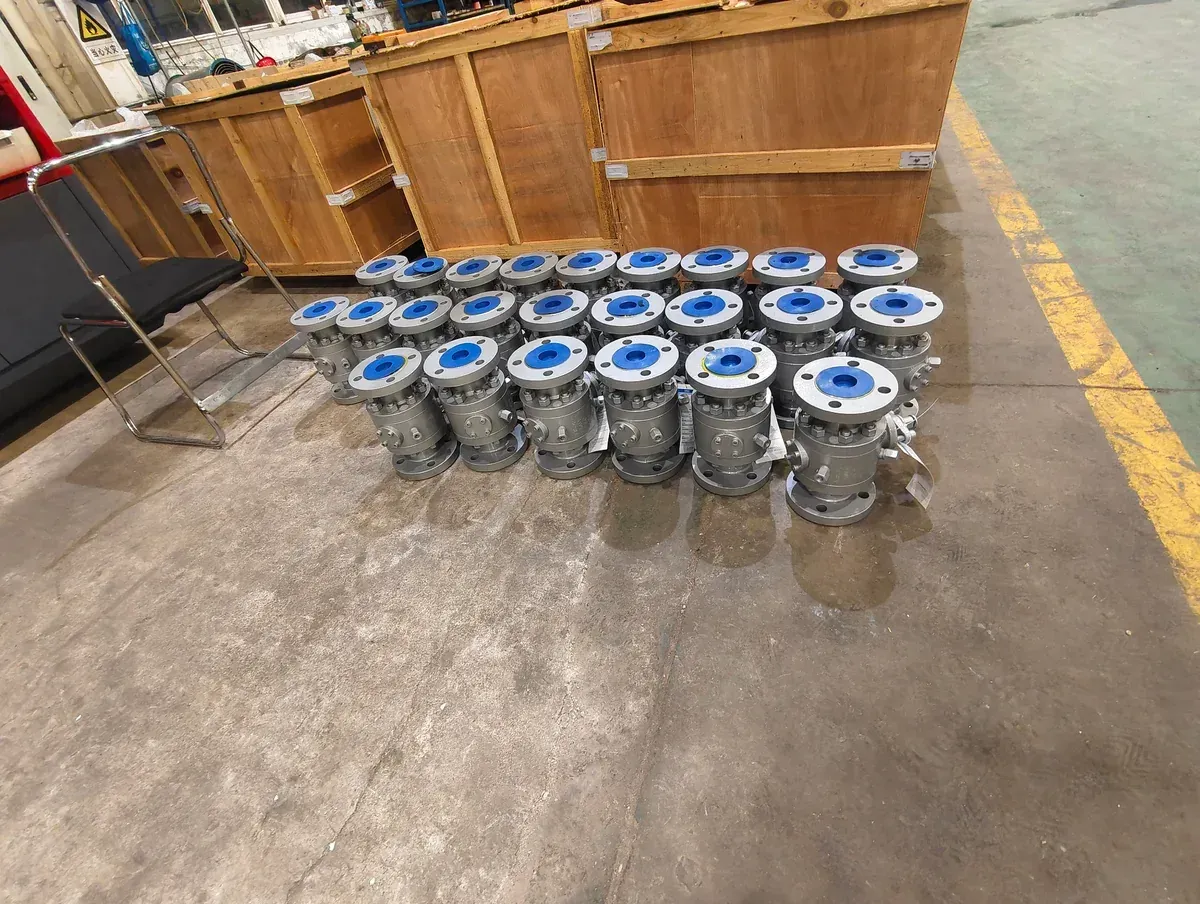
Does your quoted price include the actuator, accessories, testing, and export packing?
Request an itemized price for one complete assembly. On a pneumatically operated valve, check the actuator, mounting kit, solenoid, limit switches or positioner, and any required tubing. Have the supplier identify the testing and documentation included in the base price, plus separate charges for witnessed inspection or special packing. Compare offers using the same scope of supply, currency, and delivery point.
Which items are in stock, and when can the rest ship after drawing approval?
Ask whether stock means a finished valve in the specified configuration or components awaiting assembly and testing. For made-to-order items, request dates for drawing submission, approval, inspection, and readiness for shipment. Record what starts the lead-time clock. If a shutdown depends on one critical tag, ask for its earliest separate dispatch date and the additional packing or freight cost.
Can we order one valve for a trial installation, or is there a minimum order quantity?
A one-unit order depends on the configuration and the supplier’s production batch. Ask for a written minimum quantity and separate any one-time tooling, setup, or inspection charges from the unit price. For a trial, agree on the material, trim, actuator, and acceptance criteria that will carry over to the production order. Request pricing at the expected follow-on quantity so the trial cost can be compared fairly.
Can you quote FOB at the loading port and CIF to our destination port?
Name both ports and specify Incoterms® 2020. Under Free on Board (FOB), the buyer arranges the main carriage. Under Cost, Insurance and Freight (CIF), the seller pays freight and obtains cargo insurance to the named destination port. Under both rules, risk transfers when the goods are on board the vessel at the shipment port. If containerized valves are handed to a carrier at a terminal, ask whether Free Carrier (FCA) or Carriage and Insurance Paid To (CIP) better describes the agreed handover.
Sources and further reading
International Chamber of Commerce · Incoterms® 2020 checklist and flowcharts
IOGP JIP33 · Ball valve procurement data sheet and technical requirements