What should we check on a general arrangement drawing before approving production?
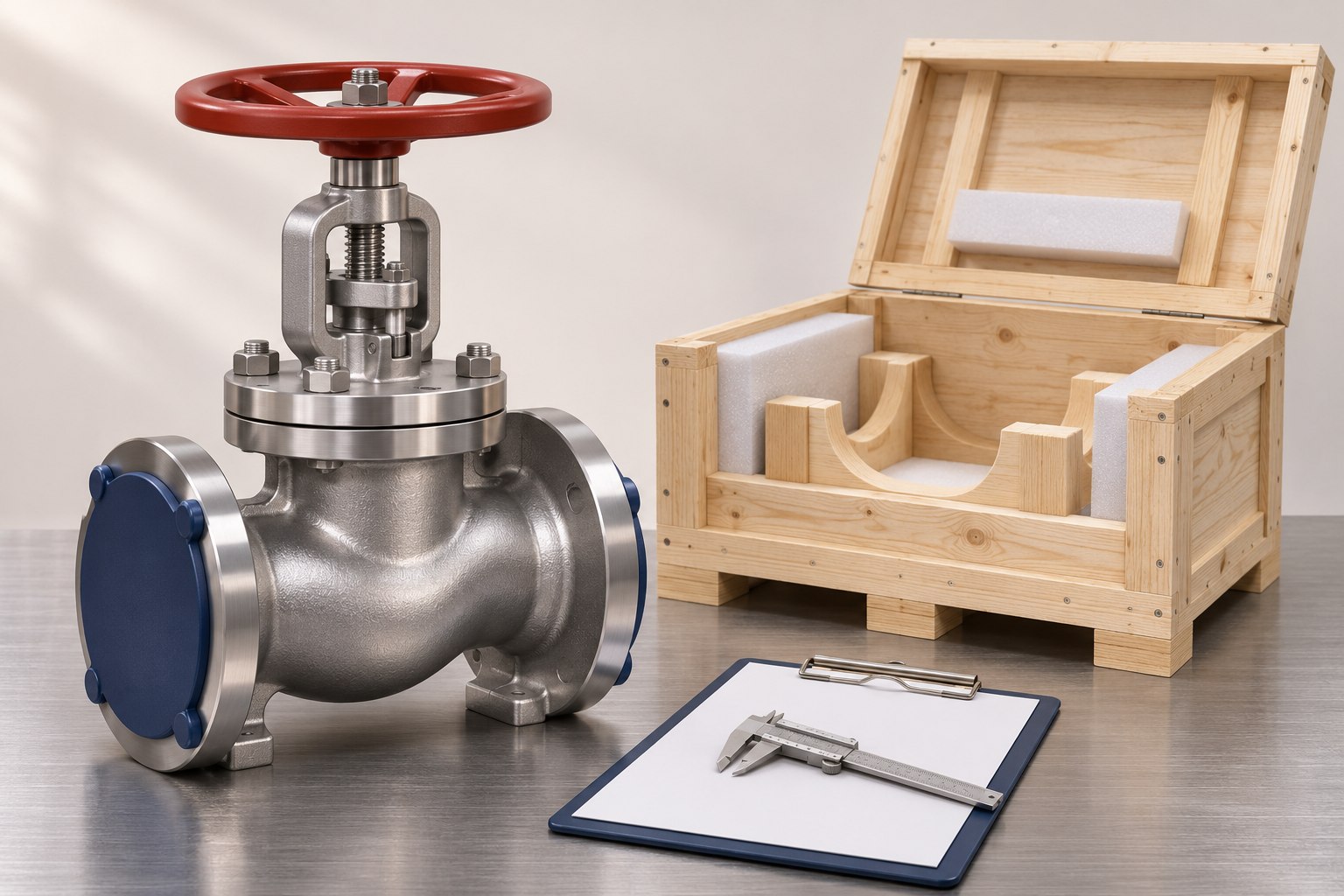
Request a dimensioned general arrangement drawing for the complete valve and actuator in the quoted orientation. Check face-to-face dimensions, flange drilling and facing, and the clearance needed to operate the handwheel or remove the actuator. Confirm the weight of the assembled unit for the installation review. Return comments against a numbered drawing revision and record the revision approved for manufacture.
Can we trace the valve body and bonnet to their EN 10204 type 3.1 inspection certificates?
Identify the components that require type 3.1 certificates in the purchase order. A type 3.1 certificate declares conformity with the order, includes the results of specific inspection, and is validated by the material manufacturer’s authorized inspection representative, independent of production. Ask for a record linking the valve serial number to the body and bonnet heat numbers and their respective certificates. At receipt, check the available markings against that record. The body and bonnet may come from different heats.
Which shell and seat tests apply, and how much seat leakage is acceptable?
Ask the supplier to name the applicable product and test standards, their editions, and the acceptance criterion for each test. The shell test checks the pressure boundary. A seat test measures leakage past the closed valve under specified conditions. For metallic valves, ISO 5208 may apply when the product specification calls for it. The report should identify the test medium, pressure, duration, test direction where applicable, and measured result or observation.
Can our inspector witness pressure testing, and how much notice will we receive?
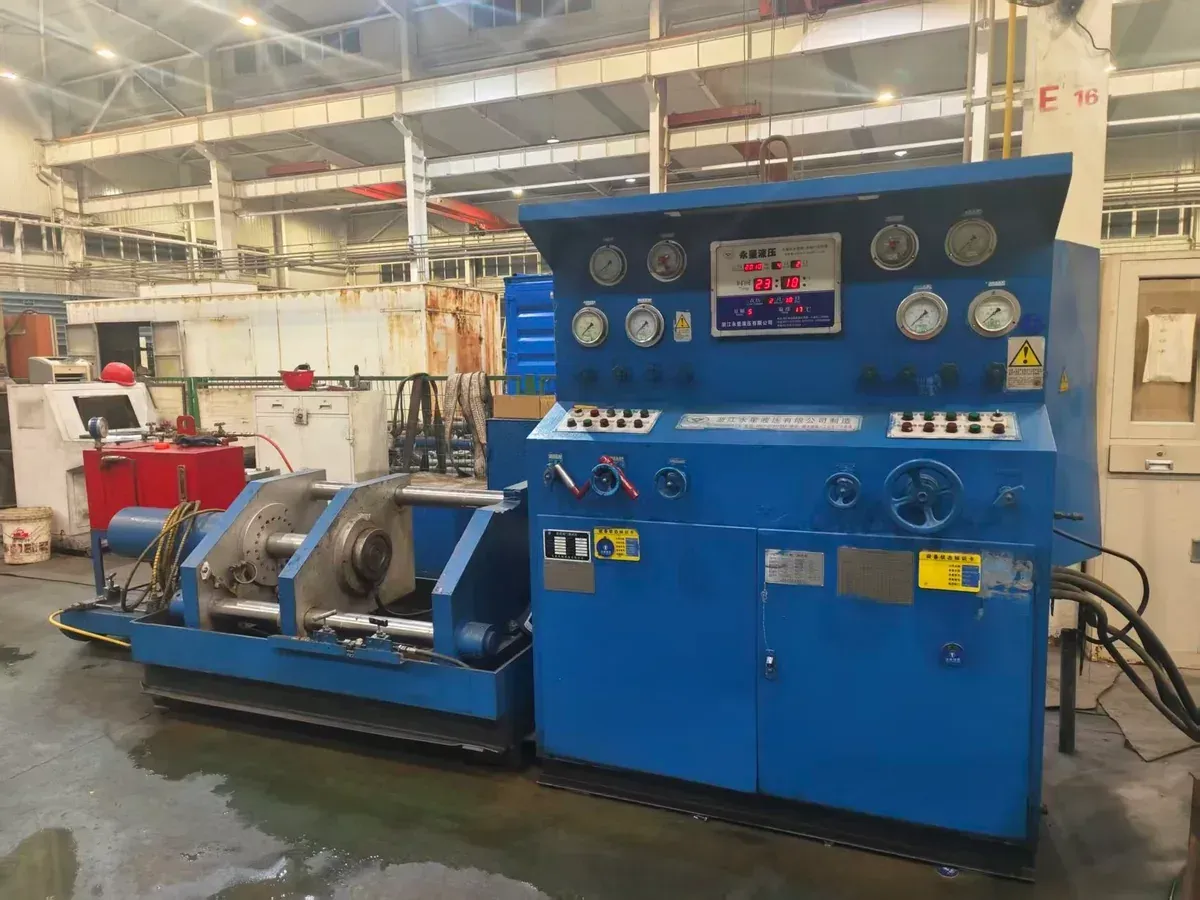
Agree on the inspection and test plan before manufacturing starts. Identify the valve tags, tests to be witnessed, inspection site, minimum notification period, and contact for scheduling. For a hold point, specify whose release is required before work proceeds. For a witness point, define what happens if the inspector cannot attend. Put these arrangements in the order so the factory and inspection agency reserve the same test window.
Which documents come with the shipment, and how do we match each test report to a valve?
Agree on the final document index at the order stage. Depending on the scope, it may include approved drawings, material certificates, shell and seat test reports, packing lists, and installation and maintenance instructions. At receipt, pick a valve and follow its tag and serial number from its nameplate to the packing list and test report. Where several identical valves share one tag, check that the report identifies each unit tested.
Which spares should we stock for commissioning and the first two years, and how soon can they ship?
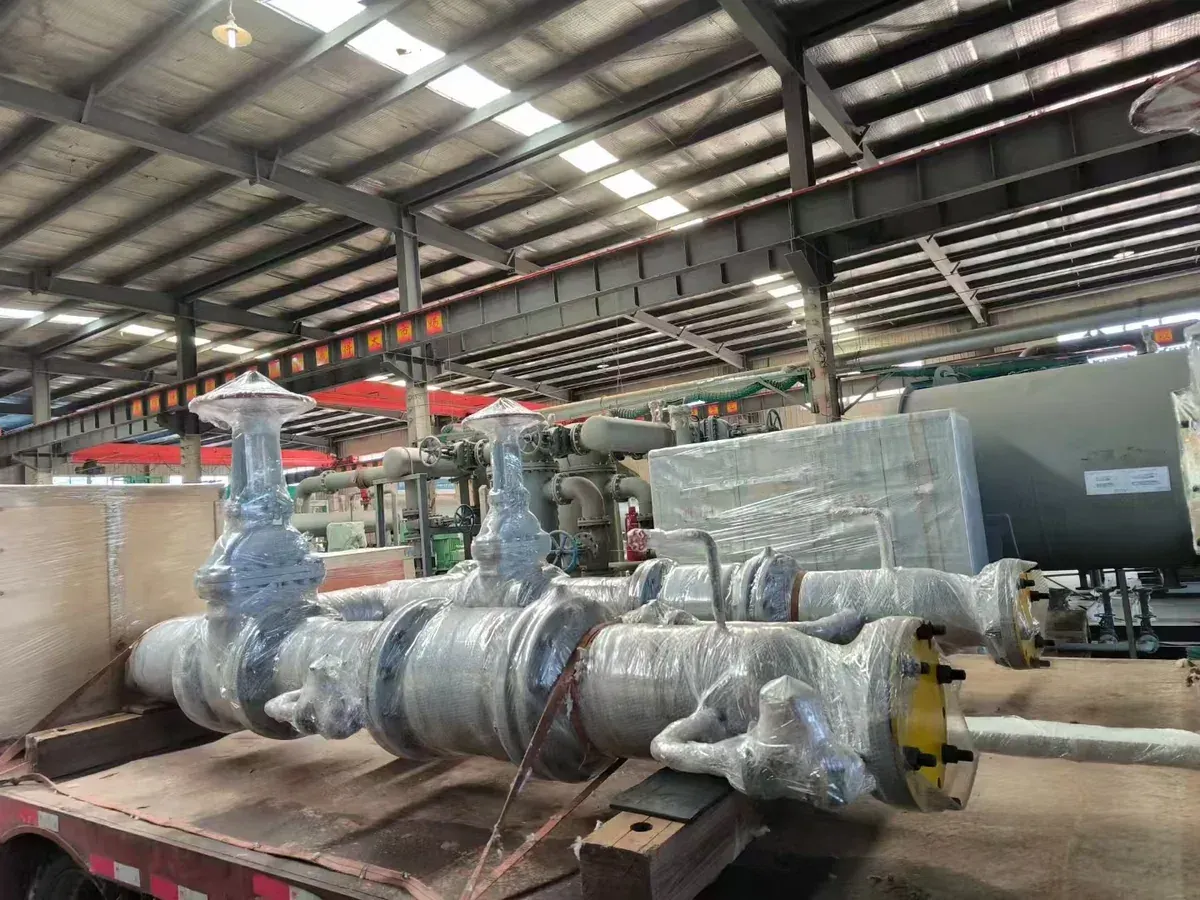
Ask for separate commissioning and operating spares lists tied to the valve model, trim configuration, and serial numbers. Packing sets and gaskets may be needed when a valve is opened. Seats, trim, or actuator service kits depend on wear, cycling, and repair arrangements. For each proposed spare, confirm the part number, material, quantity, shelf life where applicable, and current replenishment lead time. Give priority to parts that could keep a critical line out of service.
What does the warranty cover, when does it start, and what should we send if a valve leaks?
Confirm the start date, duration, remedy, and responsibility for freight and site labor in the written order. Record the installation and commissioning dates. For a claim, send the valve tag and serial number, the location of the leak, and the operating conditions when it appeared. Distinguish leakage through the closed seat from leakage at the stem or a body joint. Follow site isolation procedures and agree on inspection or return arrangements before dismantling the valve.
Sources and further reading
ISO 5208 · Pressure testing of metallic industrial valves
IOGP · Guidance on EN 10204 and ISO 10474 material certification
IOGP JIP33 · Ball valve quality and information requirements