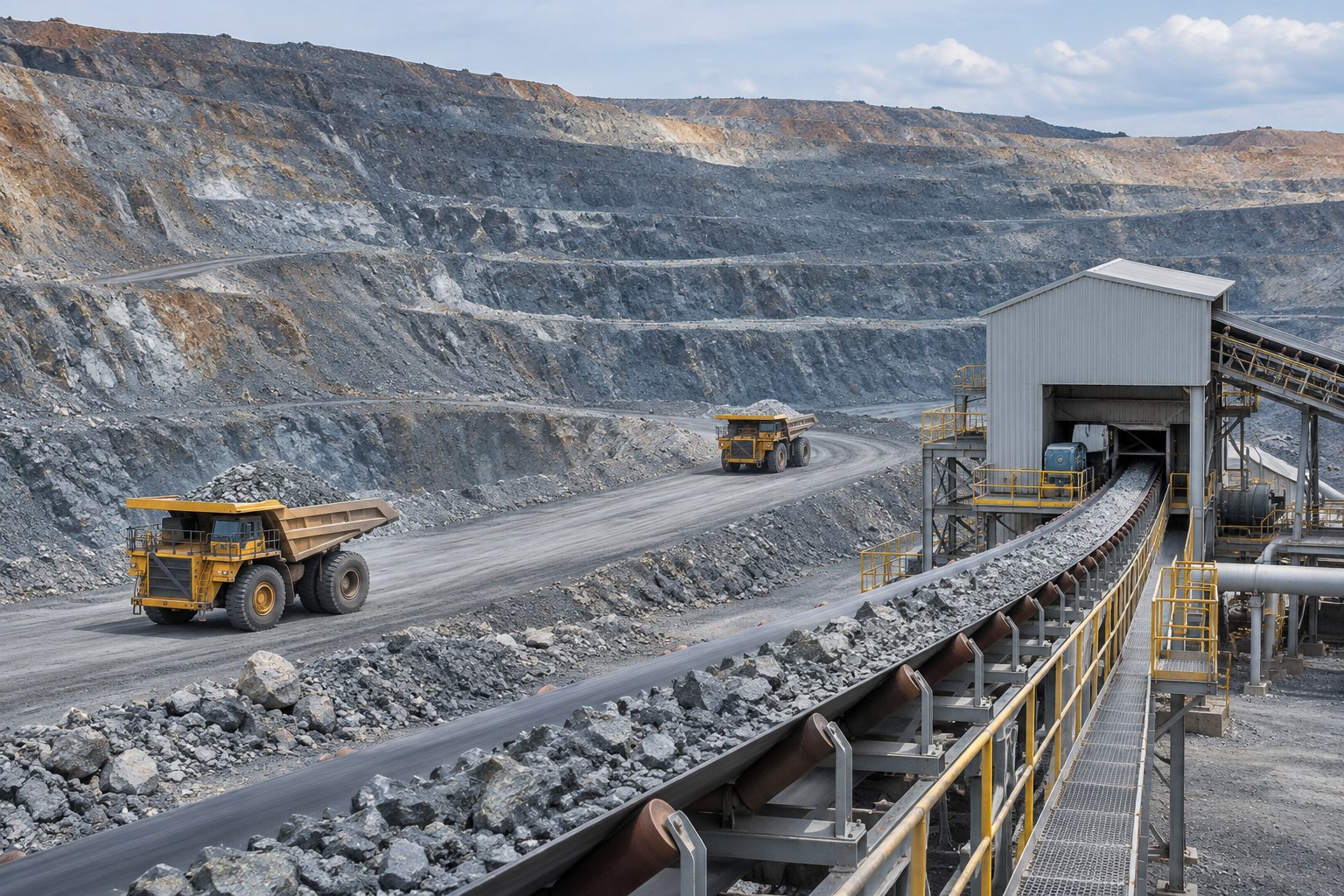
Would a V-port hemisphere valve suit our slurry, and what solids data do you need?
A V-port hemisphere valve is a candidate for throttling, subject to the available flow passage and wear resistance of the selected trim. Give the supplier the particle size distribution, largest expected particle, solids concentration by weight or volume, and slurry density. Include the flow range, pressure drop, and whether solids settle during shutdown. A coarse particle can lodge in the opening at low travel even when it passes through the fully open valve.
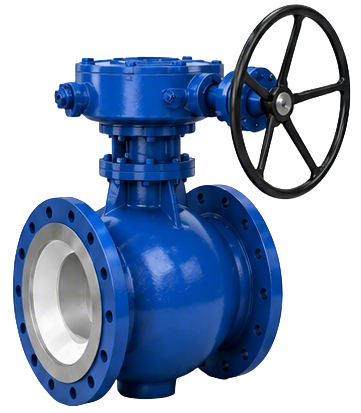
Which fluoropolymer lining suits our acid, and can it withstand vacuum during draining?
Give the supplier the acid name, concentration range, any contaminants, and the maximum temperature the lining will see. Ask for a compatibility review of the lining and other wetted parts. Then specify the lowest absolute pressure expected during draining and the lining temperature at that moment. Request the vacuum rating for the exact valve design and size. Chemical resistance and resistance to liner collapse are separate checks.
Can you show the required Cv or Kv and valve travel at minimum, normal, and maximum flow?
Prepare one row per operating point with flow, inlet pressure, outlet pressure, fluid temperature, and density. State the units and whether pressures are absolute or gauge. For gas flow reported at standard conditions, specify the reference temperature and pressure. For liquids close to boiling, also supply the vapor pressure at each temperature. Request the calculated flow coefficient and predicted travel for the proposed trim at each point. Review whether the valve can regulate minimum flow without operating close to its seat and still pass the maximum flow with the available pressure drop.
Will our control valve experience cavitation or flashing?
For liquid service, compare absolute pressures with the fluid's vapor pressure at operating temperature. Vapor bubbles can form where the fluid accelerates and local pressure falls below vapor pressure. If pressure then recovers enough for the bubbles to collapse, cavitation can damage the trim. If downstream pressure stays below vapor pressure, vapor persists and the flow flashes. Give the supplier the flow and pressure conditions at each operating point so it can evaluate pressure recovery in the proposed valve.
Our check valve slams when the pump stops. What information helps select a replacement?
Slam can occur when a check valve closes after reverse flow has built up. Send the pump curve, operating flow, pipe size and length, elevation profile, and details of how the pump stops. Include the existing valve type, orientation, and any pressure recording of the event. The engineer can compare valve closing behavior with the expected flow deceleration. A system with repeated pressure excursions may also need a transient analysis before a replacement is specified.
Can the actuator close the valve at maximum differential pressure and minimum air supply?
Give the supplier the maximum shutoff differential pressure, its direction, and the minimum air pressure available at the actuator while it strokes. Request a sizing sheet that compares actuator output with the valve's required torque or thrust throughout travel, including final seating. For a spring-return actuator, identify the air-driven and spring-driven strokes. For a double-acting actuator, verify the available output in both directions. Check the stated sizing margin and the valve stem or shaft limit at maximum supply pressure.
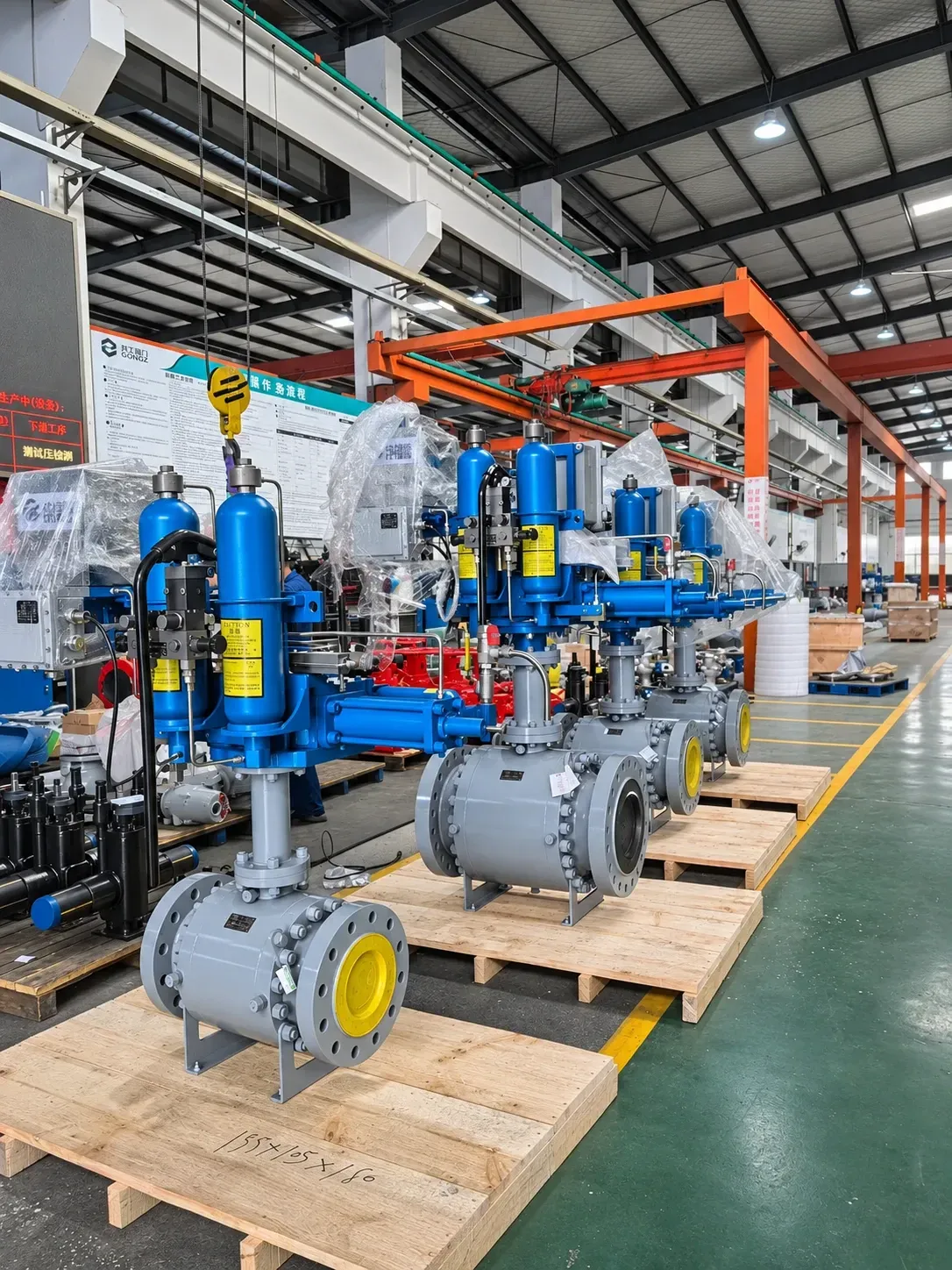
What happens if we lose instrument air or only the control signal?
Specify the required position for each event separately. With a spring-return actuator, venting the actuator allows the spring to move the valve toward its designated position. With air still available, the response to signal loss depends on the positioner, solenoid, and control logic. A double-acting actuator needs a defined arrangement to move or hold after air loss. Ask for the pneumatic schematic and have each failure case verified against the agreed cause-and-effect table.
Sources and further reading
Valmet · Flow Control Manual, including slurry service
Bray · Example of a fluoropolymer-lined valve with a separate vacuum rating
Emerson · Control valve sizing inputs
Fisher · Control Valve Handbook, including liquid flow and actuator accessories